Water Heater Repair: How to Spot Problems Before They Get Worse
Your water heater works hard every single day, and water heater repair is one of the most common plumbing needs homeowners in Phoenix, AZ, face. The good news is that most serious problems start small. Knowing what to look for early can help you avoid a much bigger headache down the road. In the Valley of the Sun, your water heater often works harder than in cooler climates. The heat, hard water, and heavy daily use all take a toll over time. Catching the early signs of trouble can potentially save you from a full breakdown and the costs that come with it.
Why Early Detection Matters for Your Water Heater
Catching a water heater problem early often means the difference between a simple fix and a full replacement. Small issues left unchecked tend to grow into larger, more expensive ones.
When a water heater fails completely, the consequences can go beyond just cold showers. You may deal with flooding, water damage to flooring and walls, and the disruption of daily routines. In many cases, early water heater repair can help keep costs manageable.
Phoenix homeowners also deal with hard water, which is water that carries higher levels of minerals. That mineral buildup can speed up wear on your water heater's internal components. Being proactive about watching for warning signs may extend the life of your system.
Common Warning Signs Your Water Heater Needs Attention
Inconsistent or Insufficient Hot Water
One of the clearest signs something may be wrong is when your hot water runs out faster than it used to. You might notice temperature swings during a shower or that the water never gets fully warm. This can sometimes point to a failing heating element or sediment buildup inside the tank.
Sediment and mineral deposits are a known issue for water heaters in the Phoenix area. Water heaters can develop a variety of issues from time to time, such as a buildup of sediment and mineral deposits, leaks, faulty pressure release valves, and more. When sediment settles at the bottom of the tank, it can reduce heating efficiency and cause temperature inconsistencies.
Unusual Noises Coming From the Tank
A properly functioning water heater is typically quiet. If you start hearing popping, rumbling, or banging sounds, that may be a sign that sediment has built up at the bottom of the tank.
When water is heated beneath a layer of sediment, it can cause those disruptive sounds. The noise itself is not dangerous on its own, but it may indicate that the system is working harder than it should. Ignoring this over time can lead to more significant problems with the tank, and scheduling water heater repair early may prevent a more costly outcome.
Visible Leaks or Moisture Around the Unit
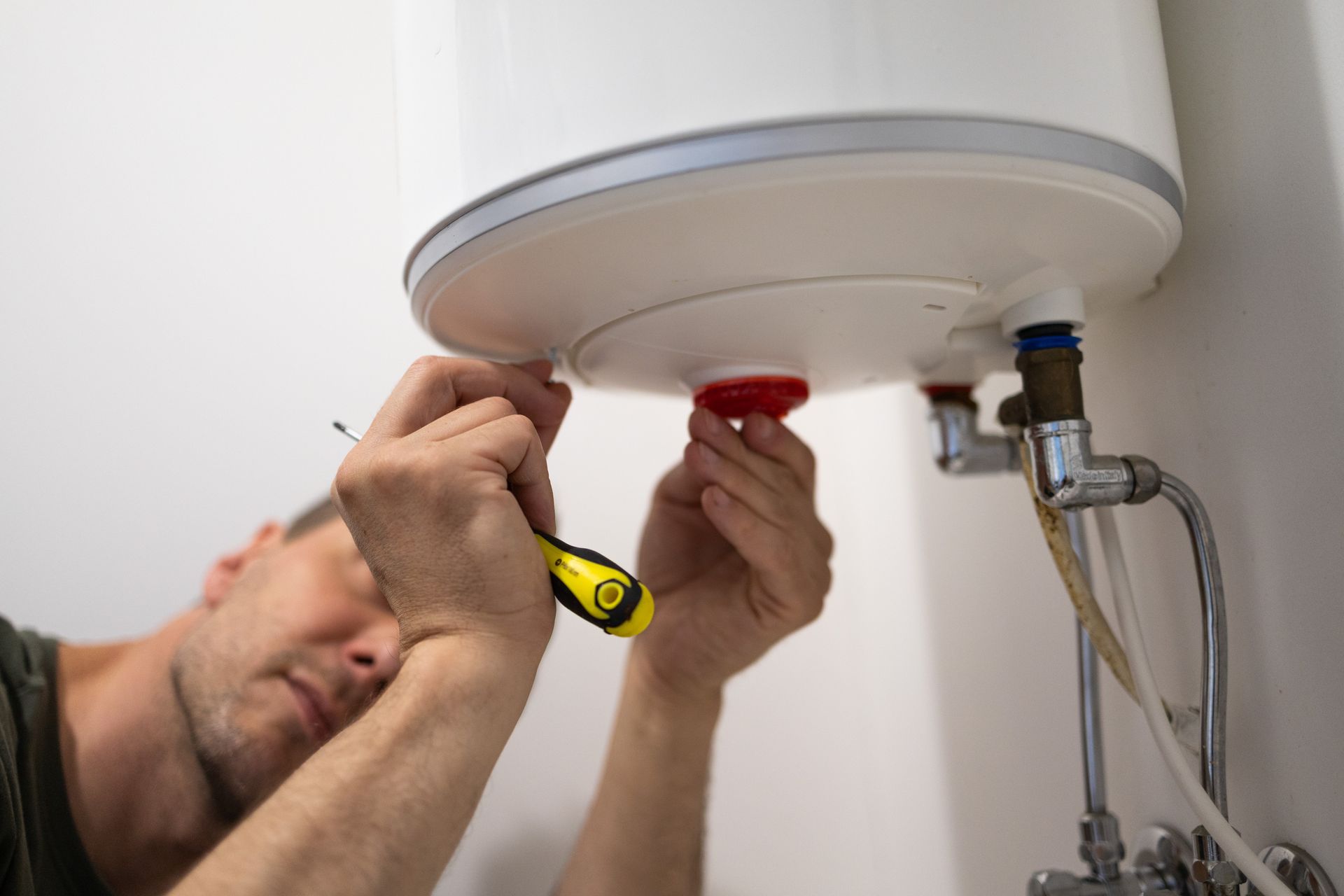
Any pooling water or moisture around the base of your water heater warrants attention. Even small leaks can indicate a loose connection, a faulty valve, or early corrosion on the tank itself.
Left unaddressed, leaks can cause water damage to surrounding areas, including flooring, drywall, and storage items nearby. A slow drip today can become a significant leak in a relatively short period. It is worth having any visible moisture inspected sooner rather than later.
Rusty or Discolored Water
If the hot water coming from your taps appears orange, brown, or has a metallic smell, rust may be developing inside your water heater tank. This discoloration can also suggest that the interior of the tank is beginning to corrode.
Rusty water is not only unpleasant but can also be a sign that the tank is nearing the end of its reliable service life. Corrosion on the inside of a tank can eventually lead to cracks or a full tank failure. If you notice this in your Phoenix home, water heater repair should be scheduled promptly with a professional.
Rising Energy Bills Without an Obvious Cause
A sudden or gradual increase in your energy bill, without a clear reason, can sometimes point to a struggling water heater. When a system has to work harder to heat water due to sediment buildup or a worn heating element, it can use more energy than normal.
In Phoenix, where households rely on hot water year-round, an inefficient water heater can contribute noticeably to monthly utility costs. If you have ruled out other causes and your bill keeps climbing, your water heater may be the culprit. Addressing the underlying issue through water heater repair may help bring those costs back down.
What Happens When Warning Signs Are Ignored
Complete System Failure
A water heater that shows warning signs and receives no attention may eventually fail entirely. A full system failure often happens without much additional warning after the early signs are dismissed. At that point, replacement rather than repair may become the only viable option.
Complete failure also tends to happen at the worst times, such as early in the morning or on a weekend. Having a system inspected when signs first appear may allow problems to be addressed on a schedule that works for you.
Flooding and Water Damage
A corroded or cracked tank can release a significant volume of water in a short time. Depending on where your water heater is located, this could mean flooded floors, damaged cabinetry, or moisture getting into walls. Water damage can be costly to remediate and may take time to fully dry and repair.
Catching a developing leak or early corrosion through water heater repair may help prevent that kind of scenario. A professional inspection can often identify structural concerns with the tank before a failure occurs.
How a Professional Inspection Can Help
Having a plumber inspect your water heater when you notice something off is one of the more practical steps a Phoenix homeowner can take. A trained technician can often identify issues that are not obvious to the untrained eye.
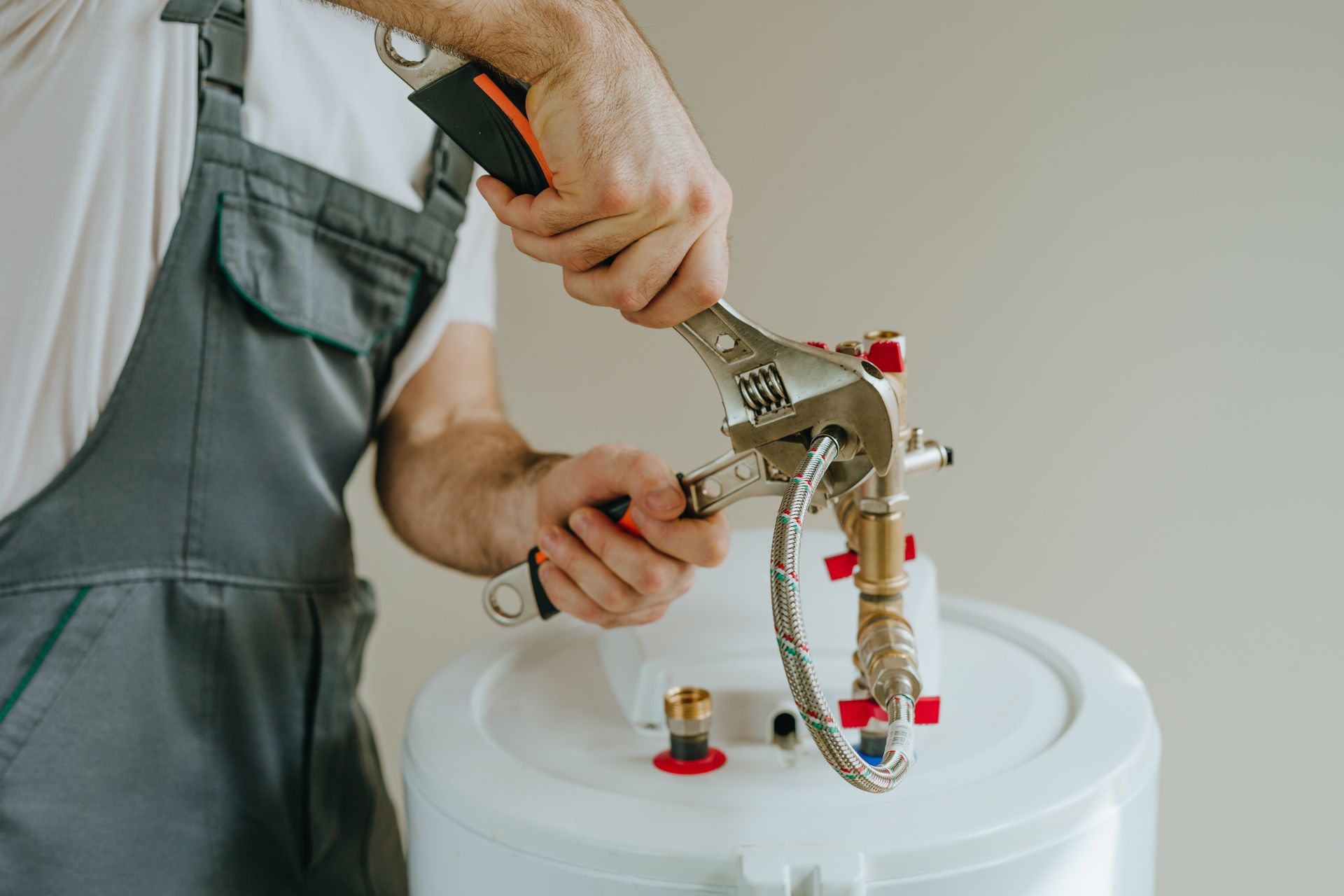
Experienced technicians who specialize in water heater repair have the latest tools and techniques to accurately diagnose your water heater's problem and provide a reliable solution. An inspection can cover the condition of the tank, valves, connections, and heating components. That kind of thorough look may catch small problems before they grow.
A thorough inspection can help determine the source of the problem, and using the right equipment and tools, a technician can take the needed steps to get your water heater up and running again. Preventive attention can often reduce the likelihood of an emergency call later.
Simple Habits That May Help You Spot Problems Sooner
You do not have to be a plumber to keep a watchful eye on your water heater. A few simple habits can help you notice changes before they become urgent.
- Check around the base of the unit periodically for any signs of moisture or pooling water.
- Pay attention to how quickly your hot water runs out compared to previous months.
- Listen for any new sounds coming from the unit, especially popping or rumbling.
- Note any changes in the color or smell of your hot water.
- Keep an eye on your utility bills for unexplained increases month to month.
None of these habits requires special tools or knowledge. They simply require paying attention to what your water heater is telling you over time.
Ready to Schedule a Water Heater Inspection?
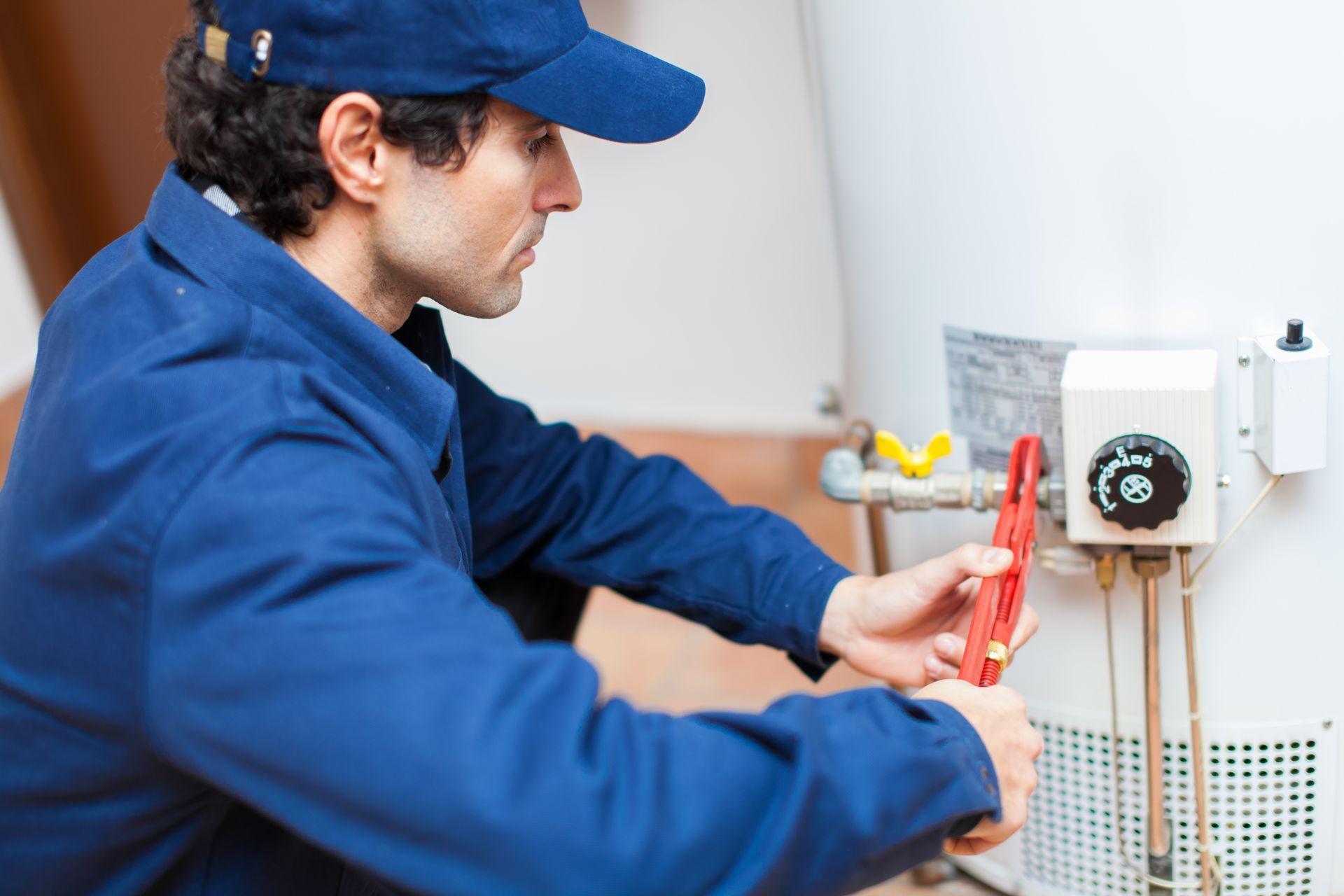
If any of the warning signs in this article sound familiar, it may be time to have a professional take a closer look. Apache Plumbing Services is a family-owned plumbing company that has been serving Phoenix, AZ, and the surrounding areas of Glendale, Peoria, and Sun City for over 25 years. Their team offers
water heater repair for both residential and commercial properties, along with 24/7 emergency plumbing services when issues cannot wait. To schedule an inspection or get a free estimate,
contact Apache Plumbing Services.